
Last updated 21 May 2026 ·


Every business understands the cost of losing top talent. Recruitment fees, time spent training, and the inevitable dip in productivity can stall progress for months. Yet even the most ambitious, fast-growing companies run into the same issue: keeping their best people.
What’s interesting is that compensation isn’t always the root cause. People rarely leave just for a higher salary. More often, the reasons are quieter and build over time - misalignment in priorities, unclear expectations, inconsistent communication, or simply feeling overlooked.
Understanding these underlying causes is the first step. The next is putting the right structures in place so people feel engaged, recognised, and connected to meaningful work.
Why High Performers Actually Leave
It’s easy to assume employees move on for better offers, but the reality is usually more complex.
Many high performers begin to disengage when they’re unsure how their work fits into the bigger picture. Others feel stuck when growth slows or feedback disappears. In some cases, it’s the environment itself - too much control, not enough trust, or a culture that doesn’t quite match their values.
A few common patterns tend to show up:
- Unclear priorities and shifting goals
- Little to no recognition for good work
- Limited opportunities to stretch or progress
- Over-management or, at the other extreme, lack of direction
- A disconnect between stated values and daily experience
These issues rarely appear overnight. They build gradually, which means they can also be addressed early - if leaders are paying attention.
When Great People Leave, the Impact Lingers
Losing a high performer isn’t just about replacing a role. It creates a ripple effect across the business. Projects slow down as knowledge walks out the door. Teams feel the pressure of picking up extra work. Morale can dip, especially if departures become frequent. And then there’s the financial cost - hiring, onboarding, and ramp-up time all add up quickly.
There’s also a less obvious impact: culture. High performers often set the tone for how teams operate. When they leave, that standard can shift. Retention, then, isn’t just an HR concern - it’s a strategic one.
Clarity Creates Stability
One of the simplest but most overlooked drivers of retention is clarity. When people know what they’re working toward and why it matters, they’re far more likely to stay engaged. Without that, even the most capable employees can feel like they’re drifting.
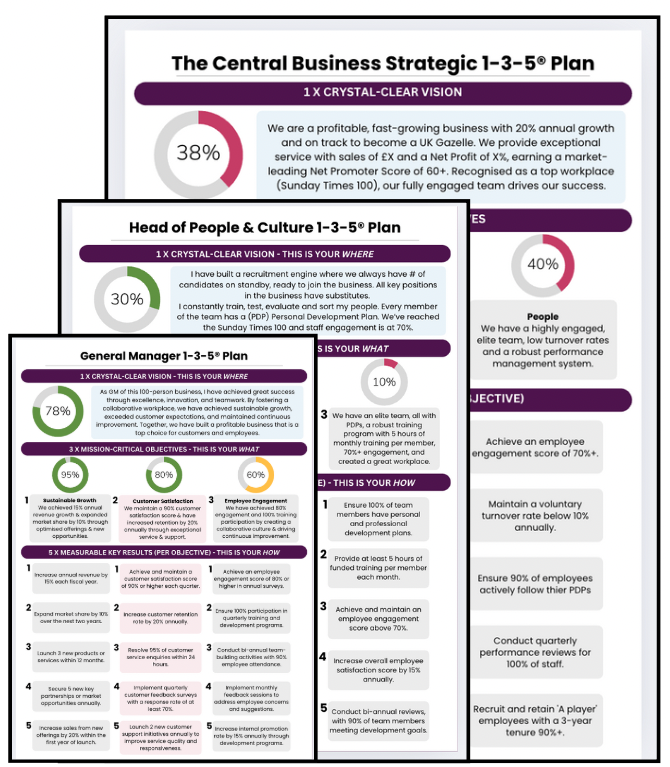
This is where structured goal-setting becomes powerful. Clear objectives, aligned across teams, give people direction and purpose. Just as importantly, they create visibility - so individuals can see how their work contributes to broader outcomes.
Tools like Reclaro bring this into focus by making goals, priorities, and progress visible in one place. Instead of guessing what matters, teams can move forward with confidence.
Trust Fuels Performance
High performers don’t want to be micromanaged - they want to be trusted. Autonomy isn’t about removing oversight entirely; it’s about shifting the focus from how work is done to what gets achieved. When people feel ownership over their work, they’re more motivated, more creative, and more invested in results.
Creating that environment means:
- Giving people responsibility for outcomes
- Letting them make decisions within their expertise
- Supporting experimentation, even when things don’t go perfectly
With the right systems in place, leaders can still maintain visibility without hovering over every detail. That balance is what keeps talented people engaged.
Feedback Shouldn’t Be an Afterthought
Recognition and feedback are often talked about, but not always done well. A once-a-year review isn’t enough. People want to know, in real time, whether they’re on the right track and whether their work is making a difference.
Sometimes it’s as simple as acknowledging effort. Other times, it’s about offering guidance that helps someone improve. Both matter.
When feedback becomes part of everyday workflows - rather than a separate, formal process - it feels more natural and far more effective. Over time, this builds a culture where people feel seen, valued, and motivated to keep improving.
Growth Keeps People Invested
Ambitious employees don’t stand still for long. If they can’t see a path forward, they’ll start looking elsewhere. That doesn’t always mean promotions. Growth can come from new challenges, expanded responsibilities, or opportunities to learn something new. What matters is momentum - the sense that they’re moving forward.
Leaders who actively support development tend to retain their strongest people. That might involve:
- Assigning stretch projects
- Offering mentorship or coaching
- Making progression paths more transparent
When employees can see how their efforts connect to future opportunities, they’re far more likely to stay engaged.
Culture Is What People Experience Daily
Culture isn’t defined by a mission statement - it’s shaped by everyday interactions. People want to feel part of something that’s aligned, supportive, and transparent. They want to work in environments where collaboration is encouraged and contributions are recognised.
When goals, progress, and successes are visible across a team, it reinforces that sense of shared purpose. It also creates accountability in a way that feels constructive rather than pressured.
Burnout Is Easier to Prevent Than Fix
Even the most driven employees have limits. When workloads become unmanageable or priorities constantly shift, burnout starts to creep in. And once it does, retention becomes much harder.
Preventing this isn’t about doing less - it’s about working smarter. Clear priorities, realistic timelines, and balanced workloads make a huge difference. Leaders who actively monitor capacity and focus on high-impact work create environments where people can perform without being overwhelmed.
Metrics Should Guide, Not Pressure
Data can be incredibly useful, but only if it’s used in the right way. When metrics are tied to meaningful outcomes, they help people understand progress and identify where support is needed. When they’re used purely for scrutiny, they can have the opposite effect.
The goal is to create visibility, not pressure. Tracking progress, celebrating wins, and addressing blockers early all contribute to a healthier, more productive environment.
Conversations Matter More Than Reports
Regular check-ins are one of the simplest ways to improve retention, yet they’re often inconsistent. A good check-in isn’t just a status update. It’s a chance to talk about challenges, aspirations, and what’s working (or not). It creates space for honest, two-way communication.
When these conversations happen regularly, issues surface earlier - and are much easier to address.
Retention Comes Down to Experience
People don’t leave organisations - they leave experiences that no longer work for them. When employees feel connected to their work, trusted in their role, and supported in their growth, they’re far more likely to stay. Remove those elements, and even the best perks won’t make up for it.
The most effective organisations don’t treat retention as a reactive problem. They build systems that make clarity, feedback, and alignment part of everyday work.
That’s what keeps people engaged - not just for a few months, but for the long term.
👉 Explore Reclaro’s templates or book a demo today to see how Reclaro can help you to align goals, track progress, and embed structured performance and feedback workflows in your organisation.